
Are you struggling to figure out how to properly account for your software development costs? You’re not alone.
Whether you’re managing a small project or a large-scale development, understanding how to track and report these expenses can save you time, money, and headaches down the road. You’ll discover clear, practical steps to handle your software development costs with confidence.
By the end, you’ll know exactly what to include, how to categorize expenses, and why it matters for your business success. Keep reading to unlock the secrets that make accounting for software development simple and effective.

Credit: www.researchgate.net
Types Of Software Development Costs
Understanding the types of software development costs helps manage budgets well. These costs vary by their nature and timing. Knowing these types helps in better planning and reporting. Below are the main categories that explain these costs clearly.
Direct Vs Indirect Costs
Direct costs are expenses tied directly to the project. Examples include developer salaries and software licenses. These costs are easy to track per project. Indirect costs support multiple projects and are harder to assign. Office rent and utilities are common indirect costs. Both types affect the overall budget differently.
One-time Vs Recurring Expenses
One-time expenses happen once during development. Buying a new development tool is a good example. Recurring expenses happen regularly, like monthly hosting fees. These costs continue after the software is live. Planning for both types avoids surprises in cash flow.
Capital Vs Operational Costs
Capital costs are large expenses for long-term assets. Buying servers or major equipment fits here. These costs are often recorded as assets. Operational costs cover daily expenses to run the software. These include support, maintenance, and updates. Tracking both helps in financial reporting and tax planning.
Key Accounting Standards For Software Costs
Accounting for software development costs requires understanding key standards. These rules guide how to record and report expenses. Knowing these standards helps keep financial statements clear and accurate.
Different rules apply in different regions, but the main goal stays the same. Properly tracking costs ensures companies follow laws and avoid mistakes.
Gaap Guidelines
GAAP stands for Generally Accepted Accounting Principles. It is used mainly in the United States. GAAP divides software costs into stages. Costs during the research phase are expensed immediately. Development costs can be capitalized once certain criteria are met. This means the costs are recorded as assets and amortized over time. GAAP requires careful tracking to decide when to capitalize costs. This helps reflect the true value of software in financial reports.
Ifrs Rules
IFRS means International Financial Reporting Standards. Many countries outside the U.S. follow IFRS. It has similar ideas to GAAP but with some differences. IFRS allows capitalization only after the project reaches the development stage. Research costs must be expensed right away. The capitalized costs include things like design and coding. IFRS focuses on whether future economic benefits are likely. This rule ensures software assets are not overstated.
Treatment Of Research Vs Development
Research and development costs are treated differently in accounting. Research costs include early activities to find new ideas. These costs cannot be capitalized and must be expensed. Development costs begin once the project is more certain. These costs may be capitalized if rules are met. Capitalizing means adding the cost to the balance sheet as an asset. This distinction helps show which costs create future value. Clear separation avoids mixing expenses and assets.
Capitalizing Software Development Costs
Capitalizing software development costs means treating certain expenses as long-term assets. These costs are recorded on the balance sheet instead of being expensed immediately. This approach spreads the cost over the software’s useful life. It helps businesses match costs with the revenue generated by the software.
Not all software development costs qualify for capitalization. Careful evaluation is needed to determine which costs meet the criteria. Proper accounting ensures compliance with standards and accurate financial reporting.
Criteria For Capitalization
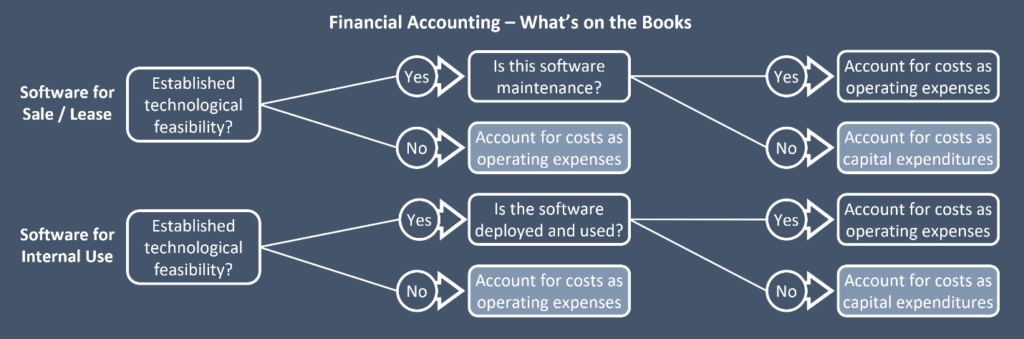
Costs must relate to software intended for internal use or sale. The project should be technically feasible to complete. Management must approve the project and plan to use or sell the software. The company must have adequate resources to complete development. Costs incurred during the application development stage qualify. Expenses before this stage are usually expensed as research costs.
Stages Eligible For Capitalization
The preliminary project stage is expensed immediately. Costs during the application development stage are capitalized. This includes coding, testing, and installation. Post-implementation activities, like training and maintenance, are expensed. Capitalization ends when the software is ready for use.
Amortization Methods
Capitalized costs are amortized over the software’s useful life. The straight-line method is common and easy to apply. This method spreads the cost evenly across periods. Companies may choose other methods if they better match benefits. Amortization begins when the software is available for use.

Credit: www.journalofaccountancy.com
Expense Recognition Strategies
Understanding how to recognize software development costs as expenses is key for clear financial records. This helps businesses report accurate profits and losses. Expense recognition strategies guide when and how to record these costs.
Proper expense recognition ensures compliance with accounting rules. It also helps stakeholders see a true picture of the company’s financial health. Different costs may need different treatment based on their nature and timing.
When To Expense Costs
Expense software development costs as soon as they have no future benefit. Research phase costs usually go straight to expense. Costs during the development phase might be capitalized or expensed. Expense costs that relate to maintenance and bug fixes immediately. Capitalize costs only if they create a new or improved product that will generate income.
Matching Costs To Revenue
Match software development costs to the revenue they help generate. This means spreading costs over several periods if the software earns money for many years. This method is called amortization. It prevents big expenses from hurting one period’s profits. Matching costs with revenue shows a clearer view of financial results.
Impact On Financial Statements
How you expense software costs affects your financial statements. Expensing costs right away reduces net income in the short term. Capitalizing costs increases assets on the balance sheet. It also spreads expenses over time on the income statement. Accurate expense recognition improves the trust of investors and lenders.
Tracking And Documenting Costs
Tracking and documenting software development costs help keep projects on budget. It shows where money goes and helps avoid overspending. Clear records make it easier to review expenses later. Teams can see which tasks use the most resources. This process improves financial control and planning.
Time Tracking Techniques
Track hours spent on each task daily. Use simple tools like spreadsheets or time-tracking apps. Encourage developers to log start and end times. Break projects into smaller tasks for accuracy. Regular updates prevent forgotten or missed hours. Accurate time tracking links labor costs to specific work.
Cost Allocation Methods
Assign costs to project parts based on usage. Divide expenses by hours worked or resources used. Allocate software licenses and hardware costs fairly. Use percentage splits if tasks share costs. Clear allocation helps identify expensive areas. It supports better budgeting for future projects.
Maintaining Audit Trails
Keep detailed records of all cost entries. Store receipts, invoices, and time logs securely. Use version control for changes in cost data. Audit trails help verify spending and reduce errors. They provide proof for internal and external reviews. Good records build trust and transparency.
Common Challenges And Solutions
Accounting for software development costs often brings many challenges. These can affect budgets and timelines. Understanding common problems helps in finding practical solutions. This section discusses key challenges and how to handle them.
Estimating Development Timelines
Estimating how long software will take is tough. Developers may underestimate or overestimate tasks. Unclear requirements add to the problem. Use historical data from past projects. Break tasks into smaller parts for better accuracy. Regularly update estimates as the project moves forward.
Handling Changes In Scope
Project scope often changes during development. New features or adjustments can increase costs. These changes cause delays and budget issues. Set clear rules for approving scope changes. Communicate all changes to the team and stakeholders. Track the impact of changes on cost and time.
Managing Cross-functional Costs
Software projects need input from many teams. Costs come from development, design, testing, and more. Sometimes these costs are hard to track. Assign budgets to each team clearly. Use tools to monitor expenses across departments. Regular cost reviews help control the overall budget.
Tools And Software For Cost Management
Managing software development costs requires the right tools and software. These help track expenses, allocate resources, and keep budgets on target. Using the best tools makes cost management easier and more accurate.
Project Management Software
Project management software helps organize tasks and timelines. It tracks hours spent by team members. This data shows how much the project costs in real time. Popular tools offer dashboards that highlight budget use clearly. Teams can spot issues early and adjust plans quickly.
Accounting Systems Integration
Integrating accounting systems with project tools saves time. It automates expense tracking and invoicing. This reduces errors and keeps financial data updated. Linking these systems creates a seamless flow of cost information. Managers get precise reports without manual work.
Automation Benefits
Automation cuts down manual data entry. It speeds up cost calculation and reporting. Automated alerts notify about budget limits and overspending. This helps control costs before they grow too large. Automation also improves accuracy and saves valuable time.
Credit: foundersib.com
Expert Tips For Accurate Cost Accounting
Accurately accounting for software development costs is key to managing budgets effectively. It helps businesses track spending and avoid surprises. Experts suggest several practical steps to keep cost accounting precise and clear. These tips create a strong foundation for financial control in projects.
Regular Reviews And Updates
Cost data changes throughout the project. Regular reviews catch errors and reflect real expenses. Update cost records often to match project progress. Frequent checks help spot overspending early. This practice keeps budgets aligned with actual needs.
Collaboration Between Teams
Teams must share information openly for accurate cost tracking. Developers, accountants, and managers should talk regularly. Clear communication avoids missing or duplicated costs. Joint efforts ensure all cost factors are included. Collaboration leads to better budget accuracy and project success.
Staying Compliant With Regulations
Follow accounting rules and industry standards carefully. Compliance avoids fines and legal issues. Keep records organized and transparent for audits. Understand tax laws related to software expenses. Staying compliant protects your business and supports smooth operations.
Frequently Asked Questions
What Costs Are Included In Software Development Accounting?
Software development accounting includes salaries, software tools, hardware, testing, and project management expenses. It also covers maintenance and support costs after deployment.
How To Differentiate Capital Vs Expense In Software Costs?
Capital costs are investments in software assets, while expenses cover ongoing operational costs. Proper classification affects tax and financial reporting.
Why Is Accurate Software Cost Accounting Important?
Accurate accounting helps manage budgets, ensures compliance, and improves financial transparency. It aids in informed decision-making and resource allocation.
When Should Software Development Costs Be Capitalized?
Costs should be capitalized during the application development stage, after feasibility is established, until the software is ready for use.
Conclusion
Accounting for software development costs helps keep budgets clear and organized. Tracking expenses ensures you know where money goes. It also aids in planning future projects wisely. Accurate records help avoid surprises and delays. Teams work better with clear financial guidelines.
Remember, simple steps make cost tracking easier. Stay consistent and update your accounts often. This practice supports smarter business decisions. Keep your software projects on the right financial path.
