
Are you curious about how artificial intelligence can make your life easier and your work smarter? Imagine having tools that can learn, adapt, and help you solve problems faster than ever before.
You’ll discover real examples of AI software that are changing the game across different fields. Whether you want to boost productivity, improve customer service, or get creative, these AI solutions could be exactly what you need. Keep reading to find out how you can use AI software to your advantage starting today.
Popular Ai Software Tools
Artificial Intelligence (AI) software tools help businesses and developers create smart applications. These tools use data to learn, understand language, see images, and automate tasks. AI software makes many processes faster and easier.
Popular AI software tools come in different types. Each type serves a unique purpose. Here are some common categories with examples.
Machine Learning Platforms
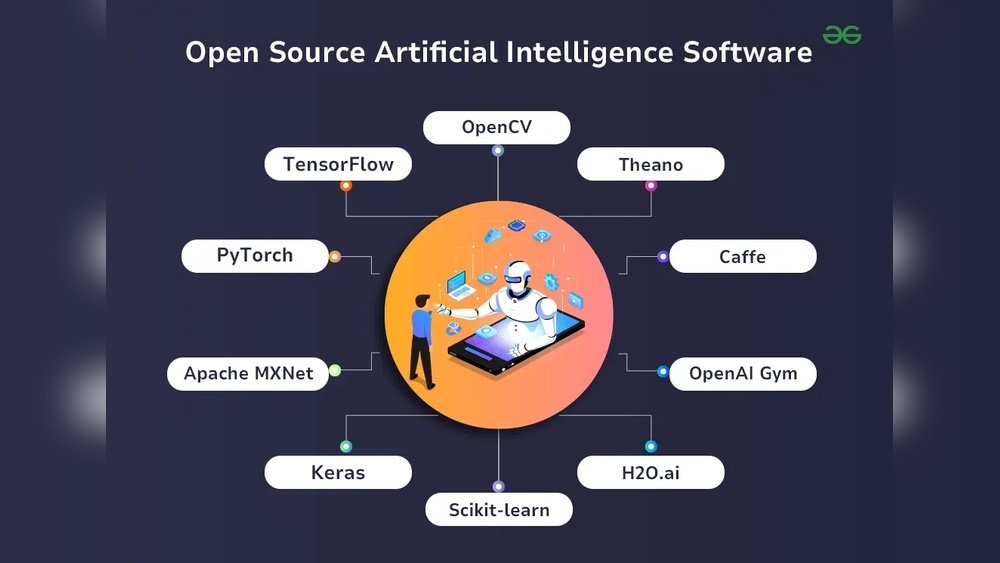
Machine learning platforms help build and train AI models. They use data to teach computers how to make decisions. Popular platforms include TensorFlow, PyTorch, and Azure Machine Learning. These tools offer easy ways to create complex AI systems. They support tasks like predicting trends and recognizing patterns.
Natural Language Processing Tools
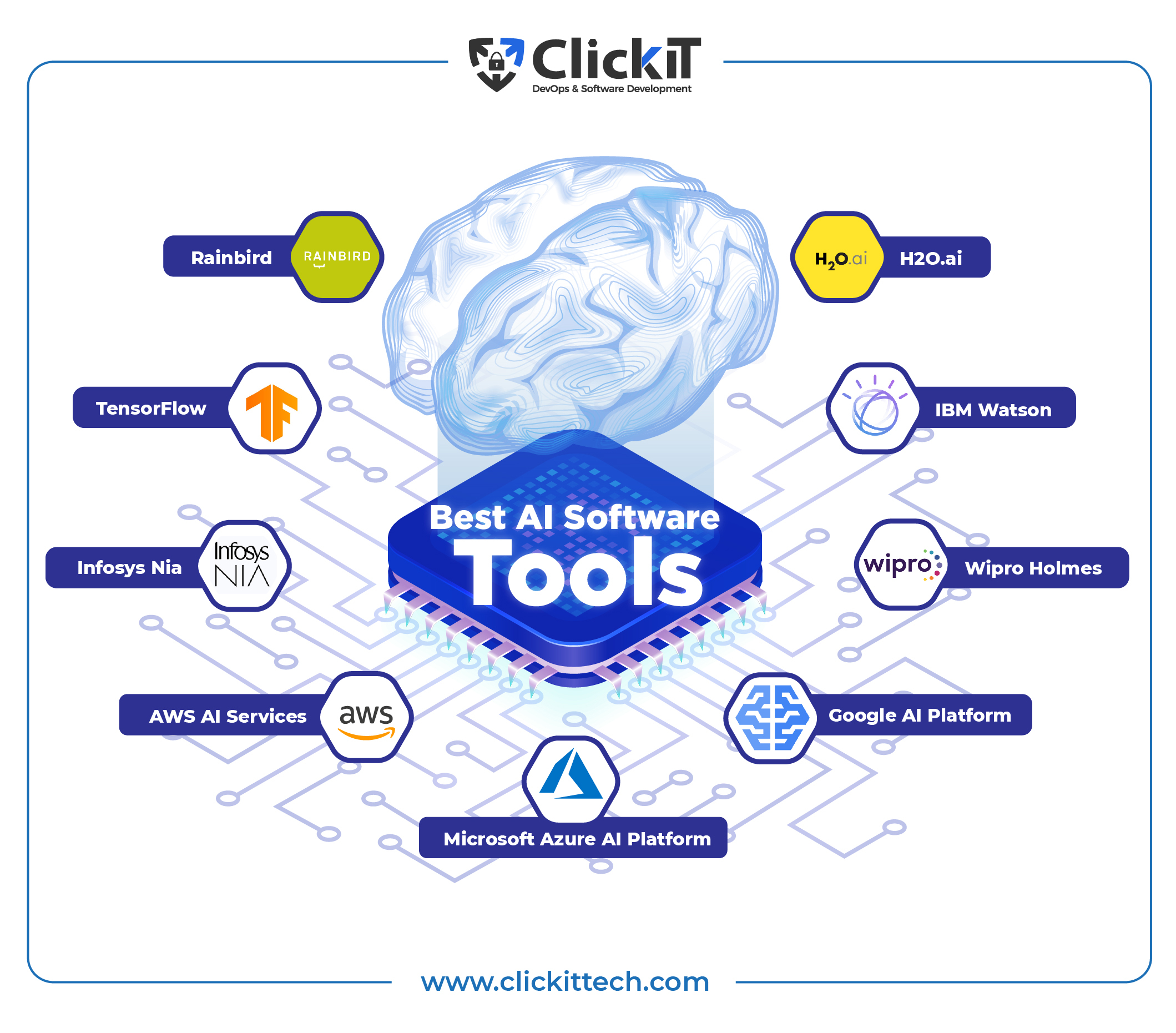
Natural Language Processing (NLP) tools allow machines to understand human language. They help in translating text, summarizing content, and answering questions. Examples include IBM Watson, Google Cloud Natural Language, and spaCy. These tools improve chatbots, voice assistants, and text analysis.
Computer Vision Software
Computer vision software enables machines to see and interpret images and videos. It helps in facial recognition, object detection, and image classification. Common software includes OpenCV, Amazon Rekognition, and Microsoft Computer Vision. These tools are used in security, healthcare, and retail industries.
Robotic Process Automation
Robotic Process Automation (RPA) automates repetitive tasks. It uses software robots to perform manual work like data entry and processing. Popular RPA tools are UiPath, Automation Anywhere, and Blue Prism. These tools save time and reduce errors in everyday tasks.
Credit: techvidvan.com
Ai In Data Analysis
Artificial Intelligence (AI) is changing how data is analyzed. It helps find patterns and trends that humans might miss. AI tools process large amounts of data quickly and accurately. They help businesses make better decisions and save time.
AI in data analysis uses smart software to predict future outcomes. It also manages big data sets that are too large for traditional tools. These technologies help companies understand customer behavior, improve products, and increase efficiency.
Predictive Analytics Solutions
Predictive analytics uses AI to forecast future events. It studies past data to find patterns and trends. Businesses use these solutions to predict sales, customer actions, and market changes. AI models improve over time as they learn from new data. This helps companies plan better and reduce risks.
Big Data Processing Tools
Big data tools use AI to handle massive data sets. They clean, sort, and analyze data quickly. These tools can process data from many sources, like social media and sensors. AI helps find important insights hidden in complex data. This leads to smarter business strategies and faster results.
Ai For Business Automation
Artificial Intelligence (AI) plays a big role in business automation today. It helps companies save time and reduce errors. AI tools can handle many tasks that used to take hours of human work. This allows employees to focus on more important jobs.
AI for business automation improves efficiency and customer experience. Many businesses use AI software to speed up processes and cut costs. These tools also help businesses respond faster to customer needs and market changes.
Customer Service Chatbots
Customer service chatbots are common AI tools in business automation. They can answer simple questions from customers at any time. Chatbots reduce the need for live agents and cut waiting times.
These bots use natural language to understand customer requests. They can help with order tracking, refunds, and basic troubleshooting. If the problem is complex, chatbots transfer the customer to a human agent.
Using chatbots improves customer satisfaction and lowers service costs. Many companies see fewer support tickets after adopting chatbots. This allows support teams to focus on more difficult issues.
Sales And Marketing Automation
AI also helps automate sales and marketing tasks. It can analyze customer data to find buying patterns and preferences. This helps businesses target the right audience with personalized offers.
AI tools can send emails, schedule social media posts, and track campaign results. This saves time and ensures consistent communication with customers. Sales teams can use AI to prioritize leads and improve follow-ups.
Automation in sales and marketing leads to better customer engagement. It helps companies reach more people with less effort. This makes marketing campaigns more effective and efficient.
Credit: www.clickittech.com
Ai In Creative Industries
Artificial intelligence plays a big role in creative industries. It helps artists, writers, and designers work faster and smarter. AI tools can generate ideas, create art, and even write content. These tools support creativity and reduce repetitive tasks. Many creative professionals use AI software to improve their work quality and save time.
Content Generation Tools
Content generation tools use AI to write articles, blogs, and social media posts. These tools analyze data and create human-like text. They help writers by suggesting ideas and improving grammar. Many content creators use AI to produce drafts quickly. This saves time and helps meet deadlines easily.
Design And Art Software
Design and art software with AI helps create images and graphics. These tools can suggest color schemes and layouts. Artists use AI to generate new art styles and effects. AI also assists in editing photos and enhancing details. This software makes design work faster and more creative.
Emerging Ai Technologies
Emerging AI technologies are shaping the future of software development and everyday use. They offer new ways to process data, make decisions, and interact with users. These innovations bring smarter, faster, and more transparent AI systems. Understanding these technologies helps businesses and individuals adapt quickly.
Edge Ai Applications
Edge AI means running artificial intelligence on local devices. It works without sending data to the cloud. This reduces delays and improves privacy. Examples include smart cameras, wearable health devices, and autonomous drones. These devices analyze data instantly and act on it. Edge AI saves bandwidth and lowers costs. It suits places with weak internet connections.
Explainable Ai Tools
Explainable AI (XAI) makes AI decisions clear and understandable. It helps users trust AI systems by showing how choices are made. These tools highlight important data points and reasoning paths. Businesses use XAI to meet regulations and improve transparency. It also helps fix errors and biases in AI models. Explainable AI is key for sensitive fields like healthcare and finance.
Credit: techvidvan.com
Choosing The Right Ai Software
Choosing the right AI software is important for your business or project. The right tool helps you save time and improve results. It must fit your needs well. This means the software should have the right features and work with your current systems.
Evaluating Features And Capabilities
Check what the AI software can do. Look for features that match your goals. Some tools focus on data analysis, while others help with customer service. Choose software that offers the functions you need. Also, consider ease of use. The simpler the software, the faster you can start working.
Integration And Scalability
Good AI software should connect with your existing tools. It must work smoothly with your software and hardware. This avoids extra work and errors. Think about future growth. The software should grow with your business. It should handle more data and users over time. Scalability keeps your investment safe and useful long-term.
Frequently Asked Questions
What Are The Best Examples Of Artificial Intelligence Software?
Top AI software includes IBM Watson, Google AI, Microsoft Azure AI, and OpenAI’s GPT models. These tools power data analysis, natural language processing, and machine learning across industries, improving efficiency and decision-making.
How Does Ai Software Improve Business Operations?
AI software automates repetitive tasks, analyzes large datasets, and predicts trends. It enhances customer service, personalizes marketing, and boosts productivity, helping businesses save time and resources while making smarter decisions.
What Industries Benefit Most From Ai Software?
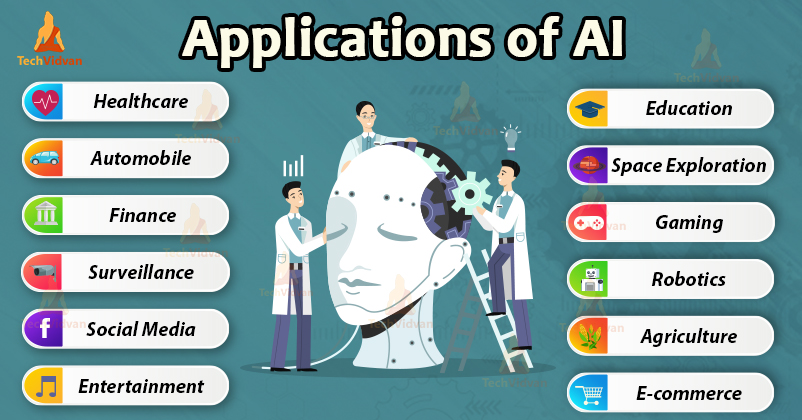
Healthcare, finance, retail, and manufacturing gain the most from AI. AI supports diagnostics, fraud detection, inventory management, and predictive maintenance, driving innovation and efficiency in these sectors.
Are There Free Ai Software Tools Available?
Yes, free AI tools like TensorFlow, Keras, and OpenAI’s GPT-3 Playground offer accessible platforms. They help developers and businesses experiment with AI without high costs.
Conclusion
Artificial intelligence software plays a big role in our daily lives. It helps in many fields like health, education, and business. These tools make tasks faster and easier. Understanding different AI examples shows how smart technology can be. This knowledge helps people use AI better and more safely.
AI will keep growing and changing the world. Staying informed about it is important for everyone. The future with AI looks full of new chances and ideas.
