
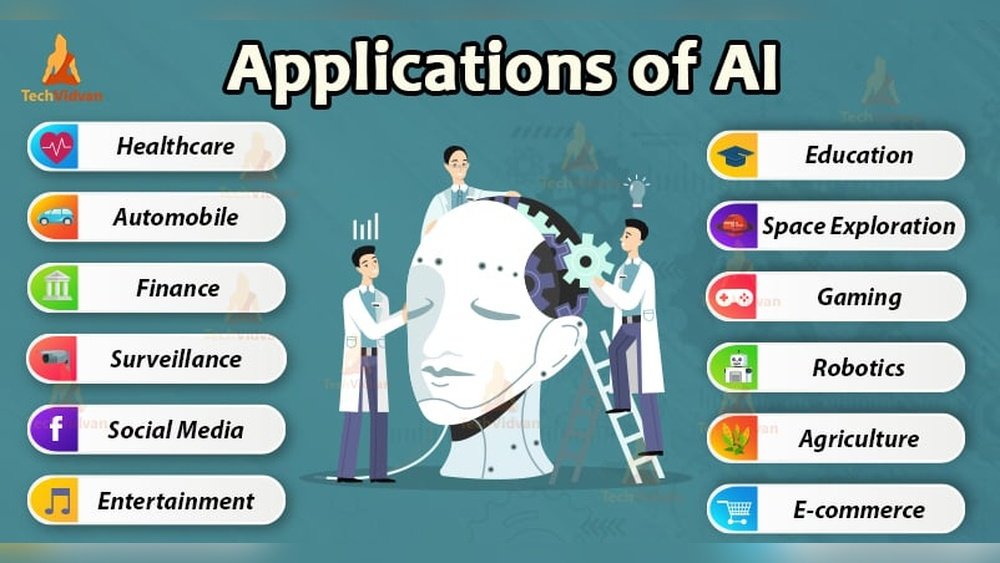
Have you ever wondered how AI is changing the way you live, work, and play? From helping you find the fastest route to work to recommending your next favorite movie, AI is quietly making your daily life easier and smarter.
But that’s just the beginning. You’ll discover surprising ways AI is shaping industries, transforming businesses, and even boosting your personal productivity. Ready to see how AI can impact your world? Keep reading to unlock the full picture.
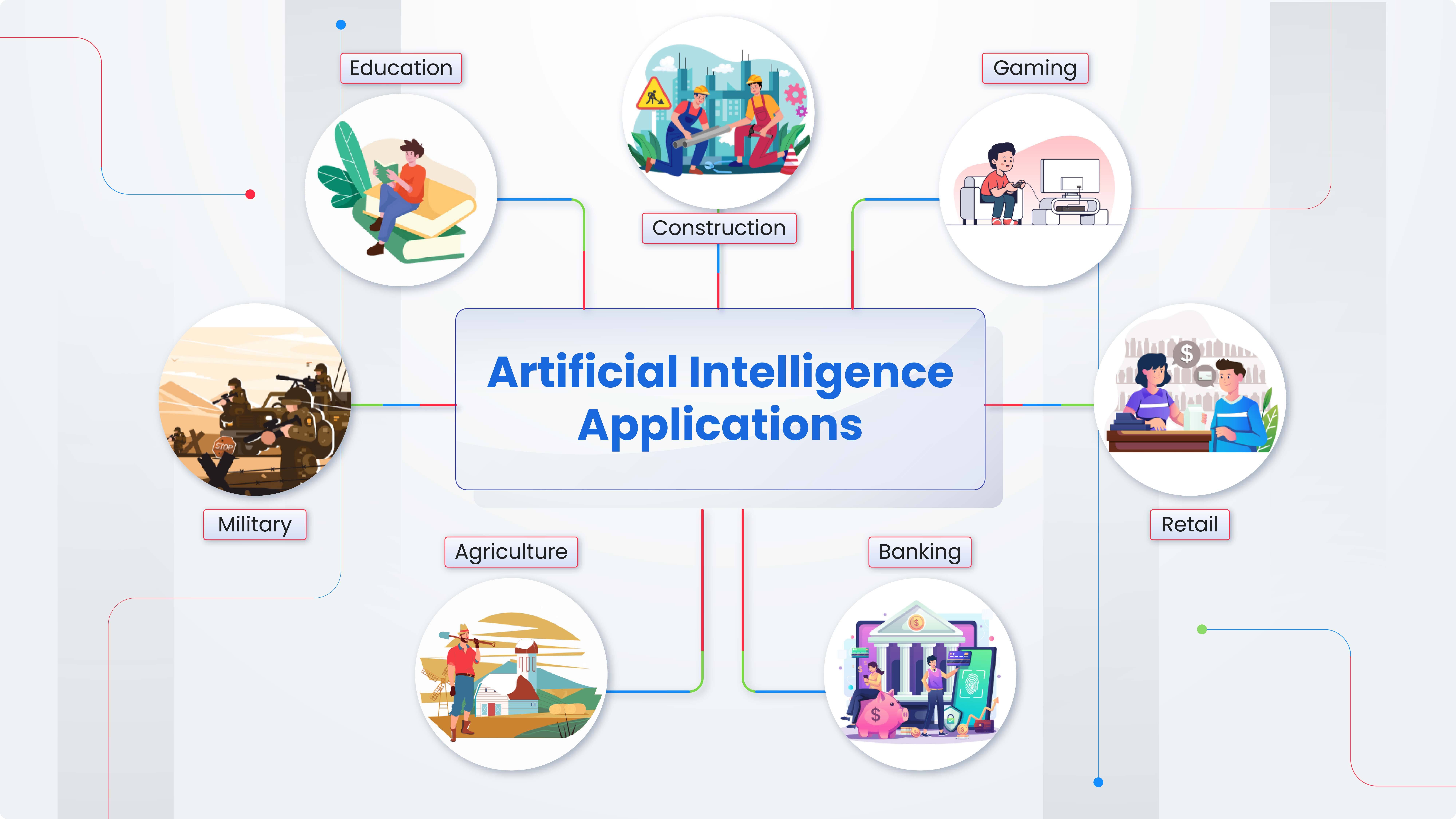
Credit: opencv.org
Ai In Healthcare
Artificial intelligence plays a big role in healthcare today. It helps doctors and nurses work better and faster. AI tools analyze data and assist in making decisions. This leads to better care and saves lives.
AI technology supports many healthcare areas. It improves diagnosis, treatment, and patient care. Here are some key applications of AI in healthcare.
Diagnostic Tools
AI can examine images like X-rays and MRIs quickly. It finds signs of diseases that might be missed. This helps doctors diagnose illnesses early. Early diagnosis means better chances for treatment.
Personalized Medicine
AI studies patient data to create custom treatments. Every patient gets care that fits their needs. This approach improves how well medicines work. It also reduces side effects.
Robotic Surgery
Robots guided by AI assist during surgeries. They make precise cuts and movements. This reduces errors and speeds up recovery. Surgeons can perform complex operations more safely.
Patient Monitoring
AI tracks patient health in real time. Wearable devices send data to healthcare providers. Alerts notify staff if a patient’s condition worsens. This allows quick response and better care.
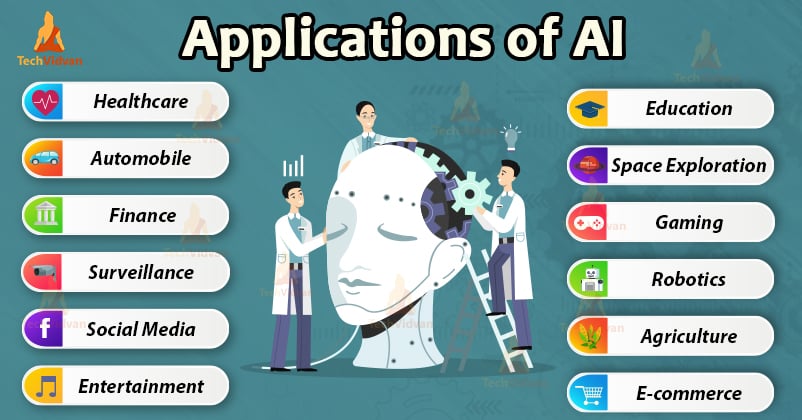
Credit: techvidvan.com
Ai In Finance
Artificial intelligence (AI) plays a big role in finance today. It helps banks and financial firms work faster and safer. AI can analyze large amounts of data easily. It improves decision-making and reduces human errors.
AI systems learn from data and spot patterns. This ability makes finance more efficient and secure. Many financial tasks now use AI to save time and money.
Fraud Detection
AI helps detect fraud by finding unusual activities. It watches transactions and alerts banks about suspicious behavior. This way, fraud can stop before causing harm. AI systems learn from past fraud cases to improve accuracy.
Algorithmic Trading
Algorithmic trading uses AI to buy and sell stocks automatically. It reacts quickly to market changes. AI analyzes data and makes trades in seconds. This helps traders get better prices and reduce risks.
Customer Service Automation
AI powers chatbots and virtual assistants in banks. They answer customer questions 24/7. This reduces wait times and improves service quality. Customers get instant help without human staff.
Risk Assessment
AI evaluates financial risks by studying data patterns. It helps lenders decide who should get loans. AI predicts the chance of default or loss. This leads to smarter and safer lending decisions.
Ai In Retail
Artificial intelligence (AI) is changing the retail industry fast. It helps stores run better and serve customers in new ways. AI tools make many retail tasks easier and more accurate.
Retailers use AI to manage stock, improve shopping, predict sales, and smooth supply chains. These uses save time and cut costs. They also help businesses stay competitive in a tough market.
Inventory Management
AI tracks products in real time. It predicts which items will sell fast. This helps stores keep the right amount of stock. Avoiding too much or too little saves money and space. AI also spots trends early, so stores can order smartly.
Customer Experience
AI personalizes shopping for each customer. It suggests products based on past buys. Chatbots answer questions anytime, helping shoppers quickly. AI also helps stores offer better prices and deals, making customers happy and returning.
Sales Forecasting
AI analyzes past sales data to guess future sales. This helps stores plan better for busy times. Forecasting reduces waste and improves profits. AI can spot changes in customer habits and alert managers fast.
Supply Chain Optimization
AI improves how products move from factories to stores. It finds the best routes and delivery times. This cuts shipping costs and speeds up delivery. AI also helps avoid delays by predicting problems early.
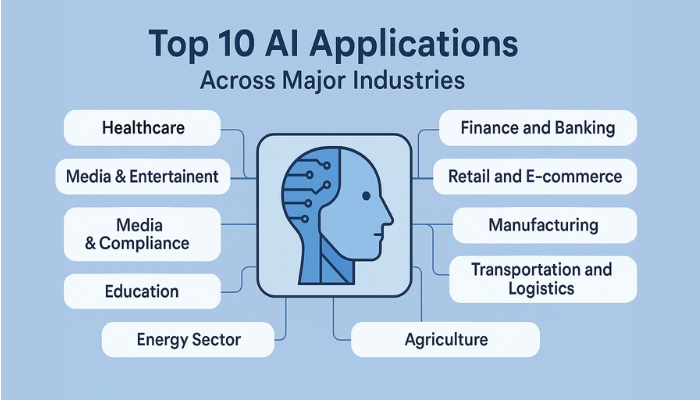
Credit: codewave.com
Ai In Manufacturing
Artificial intelligence plays a big role in modern manufacturing. It helps factories run better and faster. AI tools improve how machines work and how products are made. This leads to less waste and higher quality. Companies save money and time by using AI technologies. Here are some key areas where AI changes manufacturing.
Predictive Maintenance
AI predicts when machines need fixing. Sensors collect data from equipment in real-time. AI analyzes this data to find problems early. This prevents unexpected breakdowns and costly repairs. Maintenance happens only when needed. It keeps machines working smoothly and reduces downtime.
Quality Control
AI inspects products for defects during production. Cameras and sensors check every item quickly. AI spots errors that humans might miss. This ensures products meet high standards. It lowers the number of faulty products reaching customers.
Automation And Robotics
Robots powered by AI handle repetitive tasks. They work alongside humans safely and efficiently. AI helps robots learn new tasks and improve over time. This speeds up production and reduces human error. Factories can operate 24/7 with robotic help.
Production Planning
AI helps plan production schedules and inventory. It forecasts demand by analyzing past trends and data. This keeps supply levels balanced with customer needs. AI also adjusts plans quickly if conditions change. It leads to smoother manufacturing processes and less waste.
Ai In Transportation
Artificial intelligence is changing transportation. It helps vehicles, roads, and systems work smarter and safer. AI improves how people and goods move every day. This section explores key AI uses in transportation.
Autonomous Vehicles
Self-driving cars use AI to understand their surroundings. They detect objects, read signs, and avoid obstacles. This technology aims to reduce accidents caused by human error. Autonomous vehicles can also ease traffic by driving smoothly and efficiently.
Traffic Management
AI analyzes traffic patterns in real time. It adjusts traffic signals to reduce jams and delays. Cities use AI to monitor road conditions and control traffic flow. This helps drivers save time and lowers pollution.
Logistics Optimization
AI plans routes for delivery trucks and cargo ships. It finds the fastest and cheapest paths to save fuel and time. Companies track shipments with AI to improve service and cut costs. This leads to better supply chain management.
Safety Enhancements
AI detects risky situations on roads and alerts drivers. It helps prevent accidents by warning about hazards. Smart cameras and sensors monitor driver behavior and road conditions. These tools make travel safer for everyone.
Ai In Education
Artificial Intelligence (AI) is changing how students learn and how teachers teach. Schools and online platforms use AI tools to make education better and easier. AI helps create lessons that fit each student’s needs. It also saves time for teachers by handling routine tasks. The use of AI in education is growing fast and offers many benefits.
Personalized Learning
AI adapts lessons to match each student’s skill level. It tracks progress and changes tasks to fit learning speed. Students get help where they struggle most. This way, learning feels easier and more fun. Personalized learning helps students stay motivated and improve steadily.
Automated Grading
Teachers spend less time grading papers. AI systems can check answers and give scores quickly. This works for tests with clear right or wrong answers. Teachers get more time to focus on teaching and helping students. Automated grading also reduces errors in scoring.
Virtual Tutors
Virtual tutors are AI programs that answer student questions anytime. They provide extra help outside of class hours. Students can practice skills and get explanations on tough topics. These tutors support learning at a student’s own pace. Virtual tutors make learning more flexible and accessible.
Content Creation
AI helps create educational materials like quizzes, summaries, and study guides. It can generate content based on the latest curriculum standards. Teachers can use AI tools to save time preparing lessons. This allows them to focus on interacting with students. AI content creation supports a varied and rich learning experience.
Ai In Entertainment
AI plays a big role in entertainment today. It changes how people watch shows, play games, and enjoy art. AI helps create more fun and personal experiences. It also makes creative work faster and easier. Below are some key uses of AI in entertainment.
Content Recommendation
AI suggests movies, shows, and music based on user tastes. It studies watching habits and picks similar content. This keeps viewers interested and helps them find new favorites. Streaming platforms use AI to make smart recommendations.
Game Development
AI helps design smarter game characters and challenges. It creates realistic behaviors that react to players’ moves. Developers use AI to build detailed worlds and improve graphics. Games feel more exciting and lifelike with AI.
Virtual Reality
AI enhances virtual reality by making it more immersive. It adapts the environment based on user actions. AI improves sound, visuals, and interaction in VR spaces. Users enjoy a deeper sense of being inside the game or story.
Creative Arts
AI assists artists in making music, paintings, and writing. It can generate ideas or complete parts of a project. AI tools help explore new styles and speed up the creative process. Artists use AI as a partner to boost imagination.
Challenges And Future Trends
Artificial Intelligence (AI) grows fast, but it faces many challenges. These challenges shape its future and guide how it develops. Understanding these issues helps us use AI better and safer. The future of AI depends on solving these problems and adopting new trends.
Ethical Considerations
AI must follow clear ethical rules. It should not harm people or treat them unfairly. Bias in AI can cause wrong decisions. Developers must work to reduce bias and ensure fairness. Transparency is important so users trust AI systems.
Data Privacy
AI needs lots of data to work well. This raises concerns about privacy and data protection. People want control over their personal information. AI systems must keep data safe and respect privacy laws. Secure data handling builds user trust and avoids misuse.
Ai Integration
Adding AI to existing systems can be difficult. It requires time and skilled workers. Companies must train staff to use AI tools. Smooth integration means AI works well with current processes. Good planning helps avoid disruptions and maximizes AI benefits.
Emerging Technologies
New AI technologies keep appearing fast. These include better machine learning and natural language processing. Quantum computing may change AI power in the future. Staying updated on these trends helps businesses stay competitive. Adapting to new tools ensures AI remains useful and effective.
Frequently Asked Questions
What Are The Main Applications Of Ai In Daily Life?
AI powers virtual assistants, smart home devices, and personalized recommendations. It improves convenience and efficiency in everyday tasks and interactions.
How Does Ai Benefit Healthcare Industries Today?
AI aids in diagnosing diseases, analyzing medical images, and personalizing treatment plans. It enhances accuracy and speeds up healthcare services.
Can Ai Improve Business Decision-making Processes?
Yes, AI analyzes data to predict trends, optimize operations, and enhance customer insights. It supports smarter, data-driven business decisions.
What Role Does Ai Play In Autonomous Vehicles?
AI processes sensor data to enable self-driving cars to navigate safely. It improves road safety and reduces human error.
Conclusion
AI touches many parts of daily life and work. It helps doctors, teachers, and businesses do tasks faster. AI also makes smart tools for homes and cities. Challenges remain, but progress grows every day. Understanding AI’s uses helps us prepare for the future.
The potential is vast, and the impact is real. AI is no longer just science fiction. It is part of today’s world, shaping how we live and work.
