
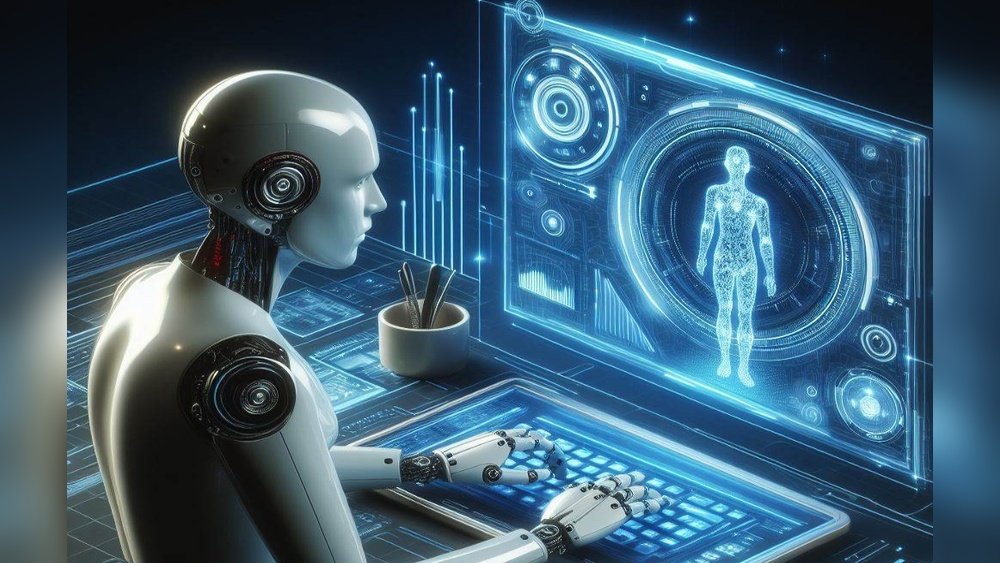
Have you ever wondered how your PC can do more than just basic tasks? Imagine your computer understanding your needs, predicting what you want next, and helping you work faster and smarter.
Artificial Intelligence on PC is changing the way you interact with technology. It’s not just for experts or big companies anymore—it’s becoming a part of your everyday digital life. Keep reading to discover how AI can transform your PC experience and why you should care about this powerful technology today.

Credit: www.computerworld.com
Ai Evolution On Pcs
Artificial Intelligence (AI) has changed how we use personal computers. It started as a simple idea and grew into powerful tools. AI helps computers think and learn like humans. This evolution on PCs improved tasks and made work easier.
AI on PCs started with basic programs. Over time, it grew smarter and faster. Today, AI is part of many software and applications. It can understand speech, recognize images, and even help with writing. The future of AI on PCs looks bright and full of new ideas.
Early Ai Integration
In the early days, AI on PCs was very basic. It used simple rules and logic. Programs could solve small problems but lacked learning ability. These early tools helped with calculations and simple games. They laid the foundation for AI development on personal computers.
Recent Advances
Recent years brought big changes in AI on PCs. Machine learning and deep learning became common. AI now helps with voice assistants and smart typing. It can recognize faces and translate languages. These advances make PCs smarter and more helpful every day.
Future Trends
The future of AI on PCs is exciting. AI will become more personal and adaptive. It may learn user habits and provide better help. Edge computing will let AI work faster on devices. New AI tools will support creativity and productivity. PCs will continue to change with AI’s growth.
Ai Software Essentials
AI software is the foundation for running artificial intelligence on your PC. It allows machines to learn, think, and make decisions. Choosing the right AI tools helps you build smart applications effectively. Understanding key software types simplifies your AI journey.
Popular Ai Platforms
Popular AI platforms provide ready-made environments for development. Examples include TensorFlow, PyTorch, and Microsoft Azure AI. These platforms offer libraries and frameworks to create machine learning models. They support tasks like image recognition and natural language processing. Most platforms work on Windows and Linux PCs.
Open Source Tools
Open source AI tools are free and customizable. Users can modify code to fit their needs. Examples include Keras, Scikit-learn, and OpenCV. These tools help beginners and experts build AI projects. Community support and frequent updates improve their reliability. Open source tools encourage learning and experimentation.
Commercial Solutions
Commercial AI software offers advanced features and support. Companies like IBM, Google, and Amazon provide these solutions. They are user-friendly and often include cloud services. Commercial tools suit businesses needing reliable and scalable AI. They come with customer support and regular updates.
Hardware Boosts For Ai
Artificial Intelligence requires strong hardware to run well on a PC. The right components speed up AI tasks and improve results. This section covers key hardware parts that help AI perform better on your computer.
Ai-optimized Processors
AI-optimized processors are built to handle complex AI calculations fast. These chips use special designs to run AI software efficiently. They reduce the time needed for tasks like learning and data analysis. Many newer processors include AI features to boost performance directly on the PC.
Gpu Vs Cpu For Ai
CPUs are good for general computing but slow for AI tasks. GPUs have many cores that process AI data in parallel. This makes GPUs faster and better for training AI models. Most AI work on PCs relies on GPUs for speed and power.
Memory And Storage Needs
AI requires large amounts of memory for data processing. More RAM helps run bigger AI models without slowing down. Fast storage like SSDs also speeds up loading and saving data. Adequate memory and storage ensure smooth AI workflows on a PC.

Credit: recoverit.wondershare.com
Ai In Everyday Applications
Artificial Intelligence (AI) is part of daily life on our PCs. It helps make tasks faster and easier. From simple chores to creative work, AI tools assist us in many ways. This section explores AI in everyday applications and how it changes the way we work and play.
Smart Assistants
Smart assistants like Cortana and Google Assistant live on our PCs. They answer questions, set reminders, and manage schedules. They understand voice commands, making it easy to interact without typing. These assistants help save time and reduce effort in daily tasks.
Automation Tools
Automation tools use AI to handle repetitive tasks automatically. They manage emails, sort files, and even update software. These tools free up time for more important work. They improve efficiency and reduce human error on computers.
Creative Ai
Creative AI helps with art, writing, and music on PCs. It suggests ideas, edits content, and generates images. These tools support creativity and speed up the creative process. Users can explore new styles and improve their work easily.
Security And Privacy
Security and privacy are key concerns in using Artificial Intelligence on PCs. AI systems process large amounts of data, making protection essential. Users need safe environments to keep their information private and secure.
Strong security measures help prevent data breaches and misuse. Privacy means controlling who sees your data and how it is used. AI can both help and pose risks in these areas.
Data Protection Challenges
AI collects and analyzes vast amounts of personal data. This creates risks of exposure if systems are weak. Hackers can target AI to steal sensitive information. Protecting data requires constant updates and strong encryption. Users often do not know how their data is stored or shared.
Ai Threat Detection
AI can detect threats faster than traditional methods. It learns patterns of harmful behavior and alerts users immediately. Threat detection reduces the chance of attacks and data loss. It also adapts to new types of cyber threats quickly. This helps keep PCs safer from malware and intrusions.
User Control Measures
Users must control what AI can access on their PCs. Clear settings allow users to manage permissions and data sharing. Privacy controls help users decide how their data is used. Educating users on these controls is vital. This balance builds trust between users and AI systems.
Getting Started With Ai On Pc
Starting with Artificial Intelligence on a PC can seem hard. Many think it needs complex tools or deep knowledge. Actually, you can begin with simple steps and learn as you go. This section guides you to set up your PC, find good learning materials, and create easy AI projects. It makes AI approachable for everyone.
Setting Up Your Environment
First, prepare your PC for AI work. Install Python, the most common AI programming language. Use Anaconda to manage packages easily. Next, install libraries like TensorFlow or PyTorch. These tools help build AI models. Make sure your PC has enough memory and storage for smooth running. A good environment saves time and avoids errors.
Learning Resources
Many free resources teach AI basics. Start with online tutorials and videos. Follow step-by-step guides to understand concepts. Use websites like Coursera, Udacity, or YouTube. Choose beginner-friendly courses with practical exercises. Reading simple AI books also helps. Practice often to improve skills.
Building Simple Ai Projects
Try small projects to apply what you learn. Create a chatbot or image recognizer. Use datasets available online for practice. Projects make learning active and fun. Start with basic models and improve gradually. Sharing your work with others invites feedback and new ideas.
Impact On Work And Lifestyle
Artificial Intelligence on PCs is changing how people work and live. It affects tasks at work and daily routines at home. The impact is visible in many areas. AI tools help complete jobs faster and with less effort. It also changes the types of jobs people do. At home, AI creates smarter living spaces. These changes affect productivity, job roles, and home life.
Productivity Enhancements
AI helps workers finish tasks quickly. It automates repetitive jobs like data entry. This saves time and reduces errors. AI tools can analyze data and give useful insights. People make better decisions faster. Software with AI can organize schedules and send reminders. This keeps workers focused and on track. Productivity grows as AI handles simple tasks.
Changing Job Roles
AI changes the kind of work people do. Some jobs disappear as AI takes over routine tasks. New jobs appear in AI system management and development. Workers need to learn new skills. Creativity and problem-solving become more important. AI supports workers but does not replace human thinking. Job roles evolve with technology, creating fresh opportunities.
Smart Home Integration
AI makes homes smarter and more comfortable. PCs connect with devices like lights, thermostats, and security cameras. AI learns habits and adjusts settings automatically. It can save energy by controlling heating and cooling. Voice assistants on PCs help control these devices easily. Smart homes offer convenience and improve daily life quality. AI makes home living more efficient and secure.
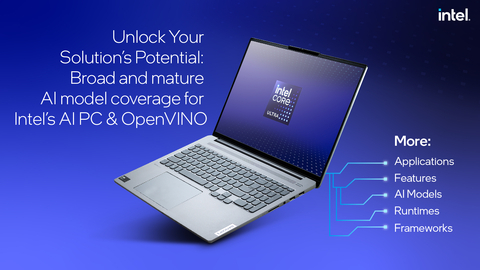
Credit: www.intc.com
Frequently Asked Questions
What Is Artificial Intelligence On Pc?
Artificial intelligence on PC refers to software that simulates human intelligence. It enables tasks like learning, problem-solving, and decision-making on computers.
How Does Ai Improve Pc Performance?
AI enhances PC performance by optimizing processes, predicting user needs, and automating routine tasks, leading to faster and smarter computing experiences.
Can I Run Ai Software On Any Pc?
Most modern PCs support AI software, but performance depends on hardware specs like CPU, GPU, and RAM for efficient AI processing.
What Are Common Ai Applications On Pcs?
Common AI applications include virtual assistants, image recognition, natural language processing, and predictive analytics, improving productivity and user interaction.
Conclusion
Artificial Intelligence on PC helps users do tasks faster and easier. It changes how we work, learn, and play. Many programs use AI to improve performance and offer smart features. PCs with AI tools become more helpful every day. This technology will keep growing and shaping our future.
Exploring AI on your PC opens new chances to improve daily life. Simple, smart, and useful—AI is here to stay.
