
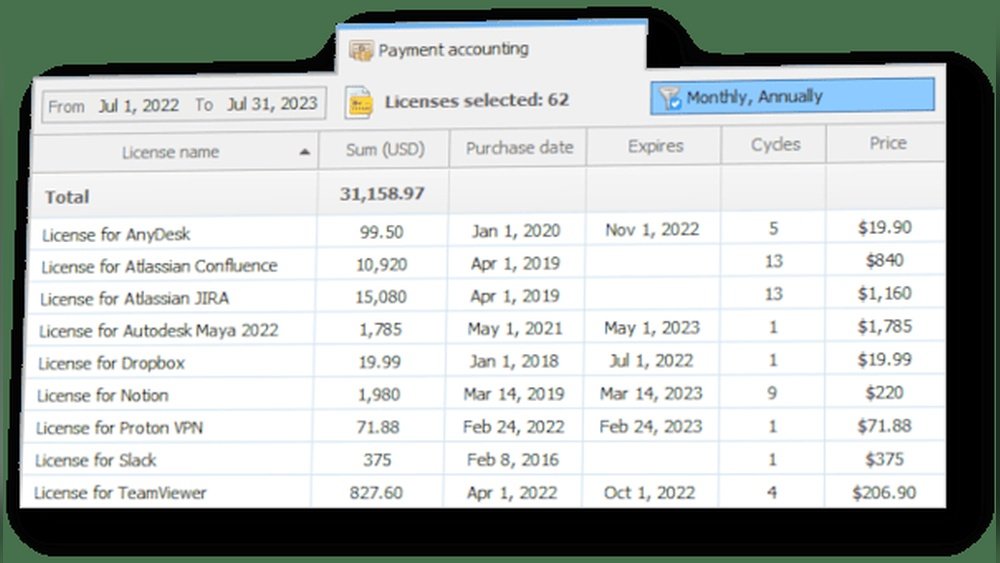
Are you struggling to figure out how to account for your software license fees correctly? You’re not alone.
Handling these fees the right way can save you money, prevent tax headaches, and keep your financial records clean. This article will guide you step-by-step on how to manage your software license costs with ease. By the end, you’ll know exactly what to do to stay compliant and make smarter financial decisions for your business.
Keep reading—you don’t want to miss these crucial tips!
Credit: www.softwareadvice.com
Types Of Software Licenses
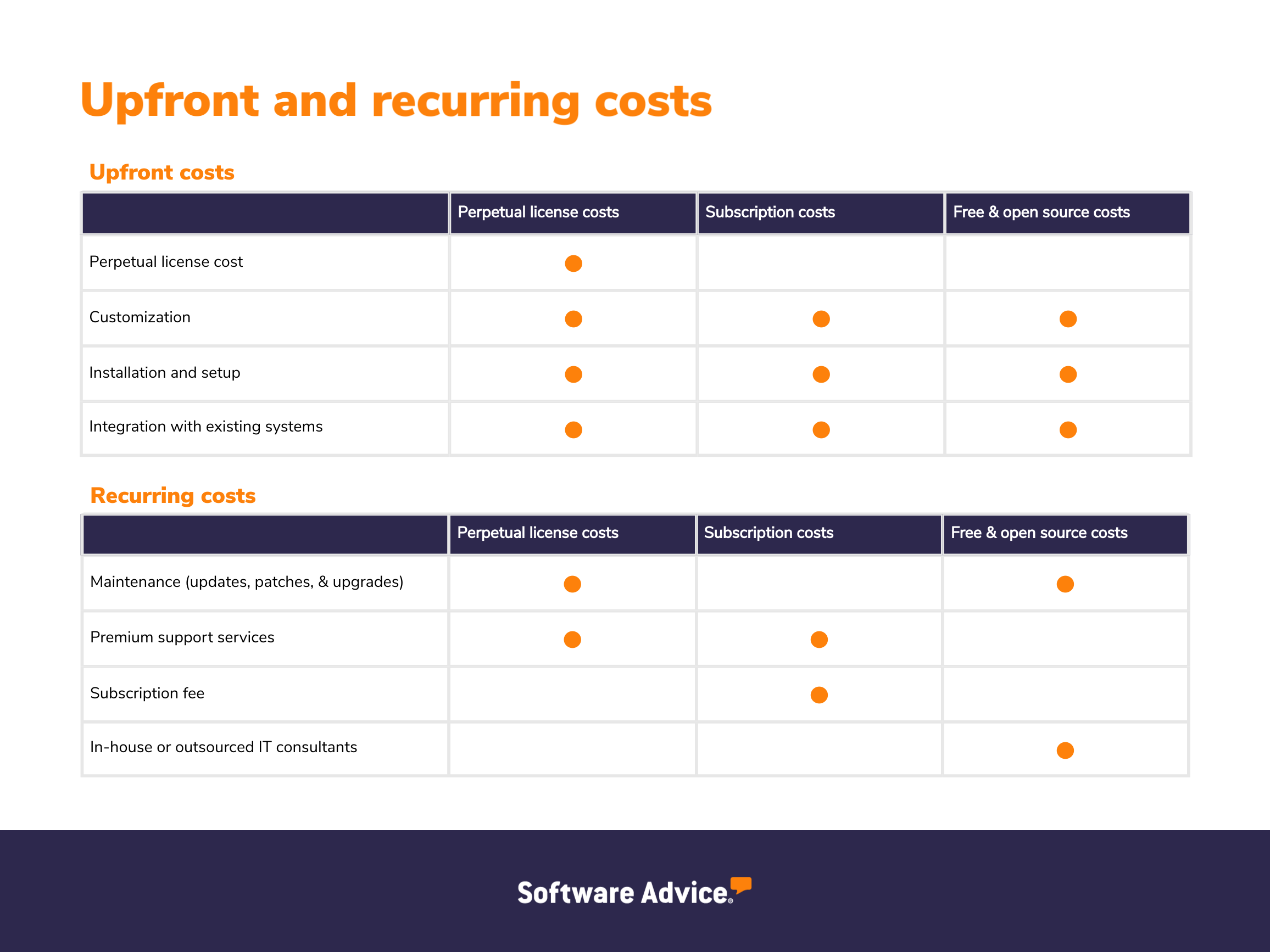
Software license fees vary by the type of license a company purchases. Understanding these types helps in tracking expenses properly. Different licenses come with different rights and payment terms. This affects accounting and budgeting for software costs.
Perpetual Vs Subscription Licenses
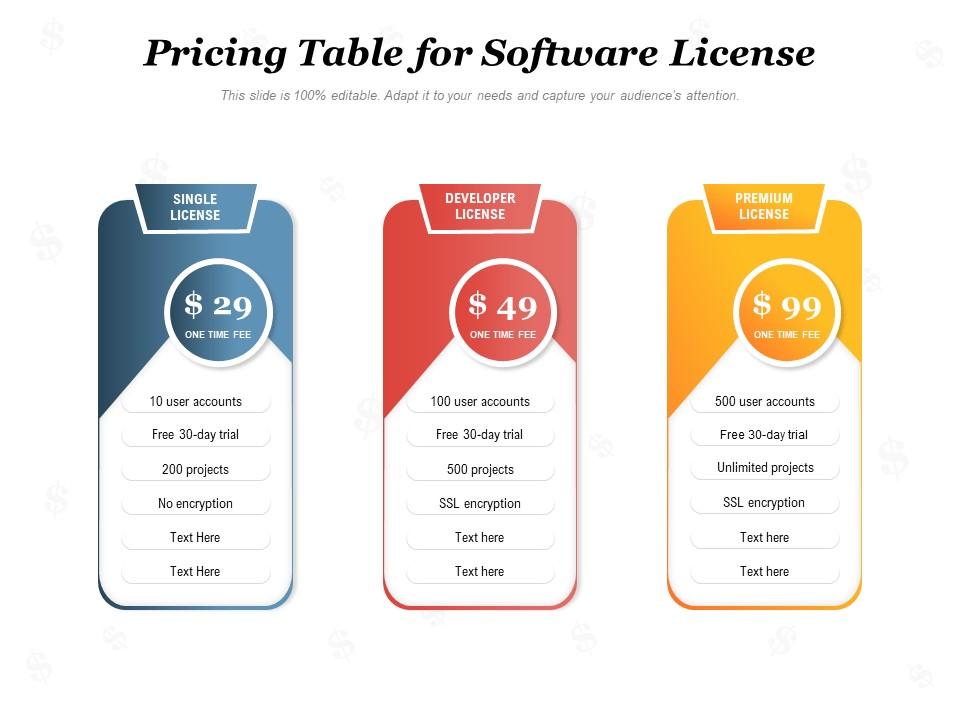
Perpetual licenses allow software use forever after one payment. They usually require a large upfront cost. Subscription licenses require regular payments, often monthly or yearly. Access to the software ends if payments stop. Subscriptions often include updates and support during the payment period.
User-based Vs Device-based Licensing
User-based licenses limit software use to specific users. Each user needs their own license. Device-based licenses assign a license to a specific device. Any user of that device can use the software. Choosing the right type depends on how the software is used in the company.
Open Source And Proprietary Licenses
Open source licenses let users access and modify software code. They often have no fees but require compliance with terms. Proprietary licenses restrict access to the code. These licenses usually require payment and limit usage. Accounting must track costs and compliance for both types.
Recognizing Software License Fees
Recognizing software license fees is key for proper accounting. These fees cover the costs of using software legally. They affect your financial statements and tax calculations.
Understanding different fee types helps you record them correctly. This ensures clear and accurate financial reports.
Initial Purchase Costs
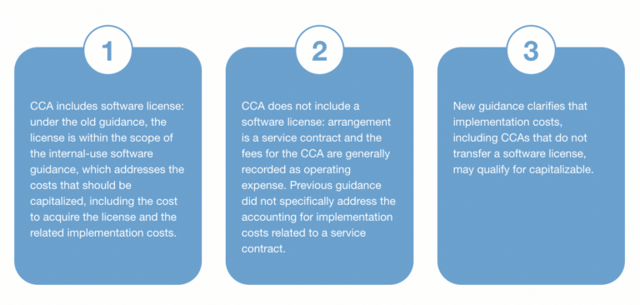
Initial purchase costs are the first fees paid for software licenses. These include one-time payments to acquire the right to use the software. Record these costs as assets if the software will be used long-term. Otherwise, treat them as expenses.
Renewal And Maintenance Fees
Renewal fees allow continued use of the software after the initial period. Maintenance fees cover updates and technical support. These fees usually occur annually or monthly. Record them as expenses in the period they occur.
Additional Service Charges
Additional charges may include training, customization, or extra features. These fees are separate from the license cost. Account for them based on the nature and timing of the service provided.
Accounting Methods For License Fees
Accounting for software license fees requires careful choice of methods. These choices impact financial reports and tax obligations. Understanding the right accounting approach helps businesses track costs clearly and comply with accounting standards.
Software licenses often involve significant costs. Deciding how to record these fees depends on the license type and usage period. Proper accounting methods ensure expenses match the economic benefits gained from the software.
Capitalizing Vs Expensing
Capitalizing means recording the license fee as an asset. This spreads the cost over the software’s useful life. Expensing records the entire fee as a cost in the purchase period. Capitalizing suits licenses that last multiple years. Expensing fits short-term or low-cost licenses.
Choosing capitalizing or expensing affects profit reports. Capitalizing shows higher profits initially. Expensing reduces profits in the purchase year. Businesses must evaluate license duration and cost size before deciding.
Amortization Schedules
Amortization spreads capitalized software costs over time. It reflects the software’s usage period or legal license term. Common schedules use months or years as periods. This method matches cost with software’s benefit period.
Setting an amortization schedule requires knowing the license length. Changes in license terms may adjust the schedule. Regular reviews ensure accurate cost allocation over time.
Matching Costs With Benefits
Matching costs with benefits follows an important accounting rule. Expenses should reflect the period when the software provides value. This approach improves the accuracy of financial statements.
For software licenses, matching means aligning fees with the time the software is used. This prevents overstating expenses or assets in any period. It helps management understand true software costs and benefits.
Credit: www.slideteam.net
Tax Implications And Compliance
Understanding the tax implications and compliance rules for software license fees is crucial. These fees impact how businesses report expenses and manage taxes. Proper accounting ensures firms avoid penalties and benefit from allowed deductions.
Deductibility Of License Fees
Software license fees often qualify as business expenses. Most tax laws let companies deduct these fees in the year they pay. This deduction lowers taxable income and reduces tax bills.
Some licenses last several years. In such cases, spreading the cost over the license period may be required. This process is called amortization. It matches expenses with the period the software is used.
Impact On Financial Statements
License fees affect both the income statement and balance sheet. If fees are short-term, they appear as expenses on the income statement. Long-term licenses may be listed as assets on the balance sheet.
Amortization expense reduces profit gradually. Proper classification gives a true picture of financial health. It helps investors and regulators understand company costs better.
Regulatory Guidelines To Follow
Different countries have rules for accounting software fees. Companies must follow standards like GAAP or IFRS. These rules guide whether to expense or capitalize fees.
Maintaining clear records is essential. Receipts, contracts, and payment details support claims during audits. Staying updated on tax laws prevents costly mistakes.
Common Challenges And Solutions
Accounting for software license fees often involves challenges that can complicate financial tracking. These challenges arise from contract terms, usage tracking, and changes in the license itself. Understanding these obstacles helps in managing costs better and keeping accurate records.
Handling Multi-year Contracts
Multi-year contracts spread costs over several years. This can confuse expense recognition. The key is to match expenses to the period the software is used. Use straight-line amortization to divide costs evenly. This method keeps your books clear and compliant. Regularly review contracts for any changes or early termination clauses.
Tracking License Usage
Software fees often depend on how much the license is used. Tracking usage accurately prevents overpayment. Use automated tools to monitor license activity. Keep logs updated to reflect actual use. This helps adjust fees and avoid unnecessary costs. Clear records support audits and financial reporting.
Adjusting For Upgrades And Renewals
Upgrades and renewals change the license terms and fees. These changes need careful accounting. Record additional costs separately from the original license fee. Update the asset value if upgrades add significant features. Renewals should reset the expense period. Always check contract details to handle changes correctly.
Tools And Software For License Accounting
Managing software license fees can be complex without the right tools. Software and tools designed for license accounting simplify tracking costs. They help businesses stay organized and avoid errors. This section covers key features of these tools.
Automated Tracking Systems
Automated tracking systems monitor software licenses in real-time. They update license usage and fees automatically. These systems reduce manual work and prevent missed renewals. Automation ensures accurate records and saves time.
Integration With Financial Software
License accounting tools often connect with financial software. This link streamlines expense recording and budgeting. Integration helps maintain clear financial statements. It also supports better cost control and planning.
Reporting And Auditing Features
Good license accounting software offers detailed reports. Reports show license usage, costs, and expiration dates. Auditing features help verify compliance and avoid fines. They provide insights for smarter decision-making.
Credit: www.eliassen.com
Frequently Asked Questions
What Are Software License Fees?
Software license fees are charges paid to legally use software. These fees vary based on license type, duration, and user count. They ensure compliance with software usage rights and support ongoing updates and services.
How To Record Software License Fees In Accounting?
Record software license fees as an expense or asset depending on usage. Short-term licenses are expensed immediately, while long-term licenses may be capitalized and amortized over time.
Can Software License Fees Be Amortized?
Yes, software license fees for long-term licenses can be amortized. Amortization spreads the cost over the license’s useful life, matching expense recognition with usage periods.
Are Software License Fees Tax-deductible?
Generally, software license fees are tax-deductible as business expenses. Proper documentation is essential to claim deductions on software costs in financial statements.
Conclusion
Accounting for software license fees helps keep your business finances clear. Track costs carefully to avoid mistakes and surprises. Record fees in the right accounts for easy reporting. Stay updated on changes in licensing terms and costs. Regular reviews help control expenses and plan budgets well.
Clear accounting supports better decision-making and compliance. Simple steps lead to smoother financial management. Keep your records accurate and up to date. This approach saves time and reduces stress.
