
Choosing the right accounting software can make a huge difference in how smoothly your business runs. If you’re in the UK, you might wonder which tools most companies trust to handle their finances.
Picking the wrong software could cost you time, money, and endless frustration. But don’t worry—this article will help you discover the most popular accounting software used across the UK, so you can find the perfect fit for your needs. Keep reading to uncover the options that could transform your accounting and give you peace of mind.
Popular Accounting Software In The Uk
Accounting software helps businesses manage their money. In the UK, many companies use specific programs to keep their accounts clear and simple. These tools help with tasks like invoicing, payroll, and tax reporting. Choosing the right software saves time and reduces errors.
Some software stands out because many UK businesses trust and use them. These programs are easy to use and follow UK tax rules. Here are some popular choices among UK businesses.
Xero
Xero is widely used by small and medium businesses in the UK. It offers easy bank reconciliation and real-time financial data. Users like its simple interface and mobile access. Xero also supports VAT submissions directly to HMRC.
Quickbooks Online
QuickBooks Online is popular for its strong invoicing features. It suits freelancers and small businesses well. The software connects with many UK banks and apps. QuickBooks helps track expenses and prepare VAT returns easily.
Sage Business Cloud Accounting
Sage is a trusted name in UK accounting. It offers powerful tools for payroll and tax compliance. Sage works well for startups and growing companies. Its cloud version allows users to manage accounts from anywhere.
Freeagent
FreeAgent targets freelancers and small firms. It simplifies expense tracking and project management. The software automatically calculates VAT and tax deadlines. FreeAgent also integrates with UK banks for smooth transactions.

Credit: www.socialnews.xyz
Factors Driving Software Choice
Choosing the right accounting software in the UK depends on many factors. Businesses must consider several key points to find the best fit. These points affect daily use and long-term satisfaction with the software.
User Friendliness
Easy-to-use software saves time and reduces errors. Clear menus and simple steps help users complete tasks fast. Software with a clean design helps people work without confusion. Training needs drop with user-friendly tools, making adoption smoother.
Pricing And Plans
Cost plays a big role in choosing software. Flexible plans suit different business sizes and budgets. Some software charges monthly, others yearly. Transparent pricing helps avoid surprises. Free trials or basic versions allow testing before buying.
Features And Integrations
Important features include invoicing, payroll, and tax calculation. Integration with banks and other apps improves efficiency. Software that works well with existing tools reduces manual work. Regular updates add new functions and keep software relevant.
Customer Support
Reliable support helps solve problems quickly. Available help through chat, phone, or email is best. Good support reduces downtime and frustration. Clear guides and tutorials also assist users in learning the software.
Top Accounting Software Picks
Choosing the right accounting software is key for businesses in the UK. It helps manage money, track expenses, and prepare taxes. Many options exist, each with unique features and pricing. Here are the top accounting software picks popular among UK users.
These tools suit small to medium businesses and freelancers. They offer ease of use and strong support for UK tax rules. Let’s explore what makes each one stand out.
Xero
Xero is popular for its simple design and cloud access. It lets users see real-time financial data anywhere. The software connects with UK banks for easy bank reconciliation. It supports VAT submissions directly to HMRC. Xero also offers mobile apps for on-the-go accounting.
Quickbooks
QuickBooks is known for its user-friendly interface. It suits small businesses and self-employed people. The software tracks income, expenses, and invoices. It includes automated VAT calculations and reports. QuickBooks also integrates with many UK business apps.
Sage
Sage is a trusted name in UK accounting. It provides strong features for payroll and compliance. The software handles VAT returns and tax filing easily. Sage offers both cloud and desktop versions. It supports businesses of all sizes with reliable tools.
Freeagent
FreeAgent is designed for freelancers and small businesses. It simplifies invoicing, expense tracking, and time management. The software automates UK tax calculations and submissions. Users appreciate its clear reports and easy interface. FreeAgent also offers strong customer support.
Wave
Wave is a free option with essential accounting features. It covers invoicing, expense tracking, and receipt scanning. The software is suitable for very small businesses and startups. Wave does not offer UK-specific tax tools but is good for basic bookkeeping. It is easy to set up and use.

Credit: anna.money
Comparing Software Features
Choosing the right accounting software means looking closely at its features. These features help businesses manage money, taxes, and reports easily. Comparing key features shows which software fits best for UK businesses. Focus on invoicing, tax compliance, reporting, and user access. Each feature plays a big role in daily tasks and long-term planning.
Invoicing And Payments
Good software sends invoices quickly and clearly. It lets users create, send, and track invoices all in one place. Payment options should include cards, bank transfers, and online wallets. Automatic reminders help customers pay on time. This feature saves time and improves cash flow.
Tax Compliance
Tax rules in the UK can be tricky. Software must follow the latest VAT and tax laws. It should calculate tax automatically and prepare reports for HMRC. Built-in updates keep the software current with new tax changes. This reduces errors and avoids fines.
Reporting Tools
Reports give a clear view of business health. Good software offers easy-to-read reports on profits, expenses, and taxes. Custom reports help track specific business needs. Visual graphs and charts make data simple to understand. This helps in making smart decisions.
Multi-user Access
Many businesses need more than one user. Software with multi-user access allows teams to work together safely. Different levels of permission keep data secure. Users can share information without risking mistakes. This feature supports collaboration and efficiency.
Choosing Software For Different Business Sizes
Choosing the right accounting software depends on the size of your business. Different business sizes have different needs and budgets. Selecting software that fits your business size helps manage finances better and saves time. Let’s explore the best options for various business sizes in the UK.
Freelancers And Sole Traders
Freelancers and sole traders need simple and affordable software. It should handle invoicing, expenses, and basic tax reports. Many prefer cloud-based tools for easy access anywhere. Popular choices include QuickBooks Self-Employed and Xero Early. These options help track income and expenses without complexity.
Small To Medium Enterprises
Small to medium enterprises require more features like payroll, inventory, and detailed reporting. Software must scale with growing teams and sales. Xero Standard and Sage Business Cloud Accounting are common choices. These tools support multiple users and offer integration with other business apps.
Large Businesses
Large businesses need advanced software with strong security and customisation. Features like multi-currency support, project accounting, and compliance tools are important. SAP Business One and Oracle NetSuite serve large companies well. These systems handle large data volumes and complex financial processes efficiently.
Trends In Uk Accounting Software
Accounting software in the UK is changing fast. New tools and features help businesses save time and reduce errors. Many companies choose software that fits their specific needs. Trends show a clear move towards smarter, easier-to-use systems.
Cloud-based Solutions
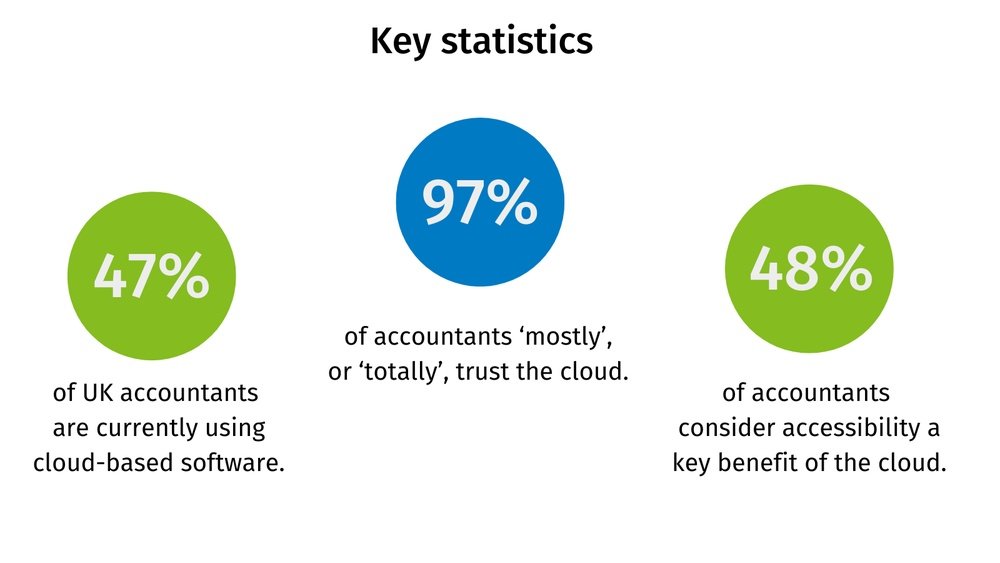
Cloud accounting software is very popular in the UK. It lets users access data from any device with internet. No need to install heavy programs. Updates happen automatically, keeping the software current. This saves money on IT support and hardware.
Businesses like the flexibility and security cloud solutions provide. Data is stored safely on remote servers. Teams can work together in real-time. This improves communication and speeds up decision-making.
Automation And Ai
Automation tools reduce manual work in accounting. Tasks like invoicing, expense tracking, and bank reconciliation happen automatically. This cuts down mistakes and frees up time for other work.
AI helps analyze financial data. It can spot trends and predict cash flow needs. This gives business owners better insights. Some software even suggests ways to save money.
Mobile Accessibility
Mobile-friendly accounting apps are growing in use. Business owners and accountants can manage accounts on the go. They can send invoices, check balances, and approve expenses from smartphones or tablets.
This flexibility keeps work moving outside the office. It is useful for small businesses and freelancers who travel often. Mobile access helps users stay updated anytime, anywhere.
Tips For Switching Accounting Software
Switching accounting software can feel tricky. It needs planning and care. The right steps make the change smooth. Avoid losing important data or facing long downtime.
Focus on key areas. Prepare well before the switch. This helps keep your business running without problems.
Data Migration
Start with data migration. Move your financial data carefully. Check data formats in the new software. Clean old records before transfer. Test small data sets first. This avoids big mistakes later. Backup your files safely before starting.
Training And Support
Train your team on the new system. Use guides and tutorials. Choose software with good customer support. Quick help reduces delays. Practice common tasks together. This builds confidence and speeds up work.
Cost Considerations
Consider all costs. Look beyond the purchase price. Think about subscription fees and updates. Factor in training expenses. Check if extra features cost more. Plan your budget to avoid surprises.
Credit: www.seperacollege.com
Frequently Asked Questions
Which Accounting Software Is Most Popular In The Uk?
Xero and QuickBooks are the most popular accounting software in the UK. They offer user-friendly features and cloud integration. Small businesses prefer these for invoicing, payroll, and tax management. Both comply with UK tax laws, making them reliable choices for local businesses.
What Accounting Software Do Uk Small Businesses Use?
Small UK businesses mainly use QuickBooks, Xero, and Sage. These platforms offer easy bookkeeping, VAT handling, and financial reporting. Their affordability and scalability make them suitable for startups and growing companies. They also support Making Tax Digital compliance, essential for UK tax submissions.
Is Cloud-based Accounting Software Popular In The Uk?
Yes, cloud-based accounting software is very popular in the UK. It allows real-time access, automatic updates, and remote collaboration. Businesses prefer cloud solutions for flexibility and data security. Xero, QuickBooks Online, and Sage Business Cloud lead this market segment.
Which Accounting Software Supports Uk Tax Regulations Best?
QuickBooks, Xero, and Sage offer strong support for UK tax regulations. They feature VAT tracking, Making Tax Digital compliance, and HMRC integration. These tools simplify tax submissions and reduce errors, ensuring businesses stay compliant with UK tax laws efficiently.
Conclusion
Choosing the right accounting software helps businesses stay organized and save time. Popular options in the UK offer easy tools for managing money. Small businesses and freelancers prefer simple, reliable software. Many users value clear reports and fast support. Picking software that fits your needs makes work smoother.
Try a few before deciding. Good software supports growth and keeps finances clear. The best choice depends on your business size and goals.
